

59 King Street
Twickenham, London
TW1 3SG
- Monday
- 08:15 — 11:00
- Tuesday
- 14:00 — 18:00
- Thursday
- 15:00 — 18:00
- Friday
- 07:00 — 12:00
Chiropractic care across two London clinics — Twickenham and Purley — for everyday back and neck pain, recovery from injury, and longstanding problems that haven’t yet responded to other treatment.
Please choose the clinic you visit — each one has its own page on Google.
You’ll recognise a few of them.
Because of the nature of the industry I need someone who can do the highest standard of work with the greatest degree of flexibility. Richard is the epitome of both.”
We’re so glad we found Richard — he’s thoroughly lovely and sympathetic, and a brilliantly skilled and intuitive chiropractor. Highly recommended.”
Richard is my go‑to when I’m filming in the UK. He’s helped me immensely with everything from severe back pain to lower grade mobility issues. Richard is intuitive, strong, and uses a range of different modalities to address physical issues from multiple angles. Bottom line — he knows his stuff, is great at his job, and I leave sessions feeling massively better than I did before.”
The same standard of care, whoever you are.
Book an appointmentSixteen years in practice, thousands of patients seen, and a single conviction beneath all of it — treat the cause, not the complaint. Adjustments are precise, assessments are neurology‑informed, and nothing happens without a reason.
In practice that means the same three steps every time, whether it’s a first visit or your twentieth.
A full case history, then chiropractic, orthopaedic, neurological and functional examination — before anything else happens.
A straight answer on what’s going on, and whether chiropractic is the right thing for it.
Hands‑on work tailored to you, following a plan of care you’ve agreed to.
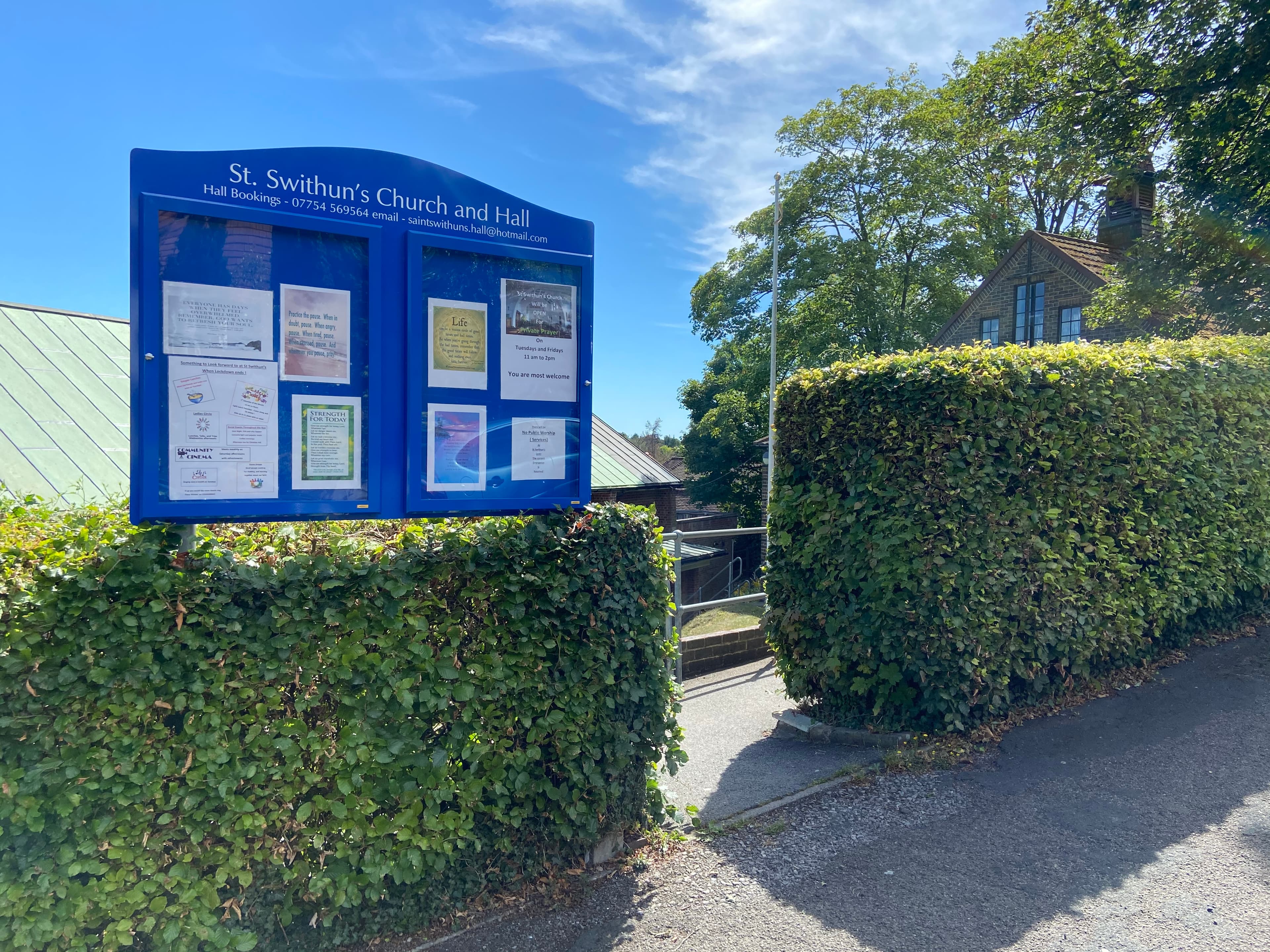
59 King Street
Twickenham, London
TW1 3SG
Grovelands Road
Purley, London
CR8 4LA
Which of these you need depends on your assessment. Expand any of them to see what it involves.
A precise, controlled movement applied to a specific joint to restore how it moves. It is quick and usually painless. You may hear a click, which is simply gas releasing within the joint rather than anything cracking. I explain what I am about to do before I do it, and not every appointment involves an adjustment — it depends on what your assessment shows.
Very fine, single‑use needles placed into a tight band of muscle to help it let go. It is not acupuncture — the reasoning is anatomical rather than based on meridians. Most people feel a brief twitch or a dull ache as the muscle releases, followed by a noticeable easing. It is used where muscle tension is holding a problem in place.
FAKTR stands for Functional and Kinetic Treatment with Rehabilitation. The distinguishing idea is that treatment happens while you move, so tissue is worked in the position that actually gives you trouble rather than while you lie still. Neuromuscular reset work sits alongside it, retraining the timing of how muscles fire. Expect to be asked to move, load or hold something while I work.
A smooth‑edged instrument used to work through soft tissue that has become thickened or restricted, often following an injury. It feels like firm, dragging pressure and can leave some temporary redness. It is normally combined with movement and rehabilitation rather than used on its own.
Nerves have to slide freely through the tissues around them as you move. Where that glide is restricted, a nerve can become sensitive and produce symptoms some distance from the problem itself. Neural mobilisation uses specific, gentle sequences of movement to restore that glide. It is deliberately unspectacular — small ranges, repeated, often given as homework between appointments.
Light elastic tape applied to the skin to give support and feedback without limiting how you move. It stays on for a few days, showering included. It supplements treatment rather than replacing it — useful when you want a reminder of position, or a little support between appointments.
Structured rehabilitation aimed at getting you back to your sport, not simply out of pain — the two are not the same thing. That means loading tissue progressively, rebuilding capacity, and checking it holds up under the demands you are actually returning to. Expect exercises between sessions; this part depends more on you than on me.
Sports injuries, in depth →A 45‑minute appointment: full case history, then chiropractic, orthopaedic, neurological and functional examination with general health screening — followed by a clear explanation of what is going on, and your first treatment. Where treatment isn’t appropriate on the day, the assessment alone is £40.
£90Focused hands‑on treatment tailored to your plan of care.
£50For existing patients continuing an agreed plan of care. Packages aren’t sold online — we’ll only talk about one if your plan of care calls for that many visits, so it always matches the treatment you actually need. Prices are shown here so you know where you stand.
£45 per visit
£42 per visit
£38 per visit
Care is recognised by Bupa, AXA Health, Vitality, Aviva and Simplyhealth; check your policy for chiropractic cover before booking. If you buy a package, you’ll get written terms first, and any treatments you don’t use can be refunded — just ask. Your plan of care is always decided on clinical grounds, separately from any payment arrangement.
Full fees, insurance and packages →Registered with the General Chiropractic Council, a member of the British Chiropractic Association, and a member of the Royal College of Chiropractors.



Treatments can be claimed through the following recognised insurers. Please check your specific policy for limits.